
INTRO
 When I look at my outdoor spaces, I want them to stay as stunning as the day they were installed. Over time, however, dirt, weather, and wear can take a toll on my pavers, dulling their appearance and even causing damage. That’s why cleaning and sealing my pavers is essential. In this article, I’ll explain why this simple maintenance step is a game-changer for preserving the beauty and durability of my outdoor spaces.
Why Should I Clean and Seal My Pavers?
Cleaning and sealing pavers may seem like just an aesthetic improvement, but it offers so much more. It’s about protecting my investment and keeping my outdoor spaces functional and visually appealing. Cleaning removes the dirt and debris that can degrade my pavers over time, while sealing forms a protective barrier that guards against stains, cracks, and fading. Together, these steps ensure my pavers stay looking fresh and last for years.
How Cleaning Protects My Pavers
Over time, my pavers are exposed to dirt, grime, moss, and other debris. Without regular cleaning, this buildup can stain the surface and weaken the structural integrity. Cleaning my pavers not only keeps them looking great but also removes harmful substances like moss and algae that can make the surface slippery or uneven.
Best Practices for Cleaning Pavers
- Use a soft-bristle brush and a gentle cleaning solution to scrub dirt off my pavers.
- Avoid using harsh chemicals that can damage the paver’s finish.
- Power washers can be effective but must be used at low pressure to prevent etching the surface.
Why Sealing My Pavers Is Just as Important
Once my pavers are clean, sealing them provides a critical layer of protection. Sealants act like an invisible shield, repelling water, oil, and other substances that can cause stains. By sealing my pavers, I can also enhance their natural color and texture, making them look even better than before.
Types of Paver Sealants
There are various sealants I can choose based on the finish I want:
- Glossy finishes create a wet, shiny look that highlights the paver’s natural color.
- Matte finishes offer subtle protection while maintaining a natural, understated look.
Choosing the right sealant depends on my aesthetic preferences and the type of weather my pavers endure.
How Often Should I Clean and Seal My Pavers?
The frequency of cleaning and sealing depends on how much traffic and weather exposure my pavers face. In most cases:
- Cleaning: Every six months to a year.
- Sealing: Every two to three years or as soon as I notice the surface losing its luster.
Signs that it’s time to re-seal include water no longer beading on the surface, fading color, or an increase in stains.
DIY vs. Professional Paver Maintenance
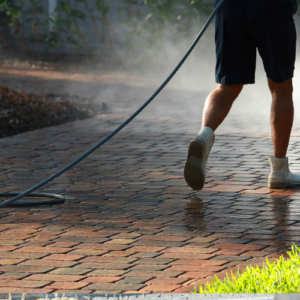 I may be tempted to clean and seal my pavers myself, but there are risks to going the DIY route. Mistakes such as using the wrong cleaning solutions or applying sealant unevenly can cause more harm than good. Hiring a professional ensures:
- Proper cleaning methods that don’t damage my pavers.
- High-quality sealants applied for long-lasting results.
- Savings in time and effort for me.
Signs My Pavers Need Immediate Attention
Neglecting my pavers can lead to visible signs of damage. Some red flags to watch for include:
- Cracks or uneven surfaces: These can lead to more serious structural issues if not addressed.
- Weeds in the joints: A sign that my pavers need thorough cleaning and sealing to stabilize the surface.
- Persistent stains or discoloration: Indicating that my pavers aren’t properly sealed or need re-sealing.
Cost of Cleaning and Sealing Pavers
The cost of cleaning and sealing varies, but here’s a general idea:
- DIY costs: Typically $100-$300 for cleaning materials and sealants, depending on the size of my space.
- Professional services: Range from $500-$1,500 based on the area, condition, and paver type.
Investing in professional services often saves me money in the long run by ensuring better results and extending my pavers’ lifespan.
Tips to Extend the Life of My Pavers
- Sweep my pavers regularly to prevent dirt buildup.
- Use a garden hose or pressure washer periodically to keep the surface clean.
- Reapply sealant as needed to maintain protection.
- Avoid placing heavy objects directly on unsealed pavers to reduce the risk of cracking.
Testimonials
“I was amazed at how clean and vibrant my pavers looked after hiring professionals. It’s like having a brand-new patio!” — Maria L., Tampa, FL
“My driveway pavers are now completely stain-free and look incredible, thanks to the sealing service. Highly recommend!” — Tom H., Phoenix, AZ
“I’m so glad I invested in professional sealing. My pavers are holding up perfectly, even after years of heavy use.” — Ella K., Portland, OR
Did You Know?
“Did you know that unsealed pavers are up to 70% more likely to develop cracks and stains than sealed ones?”
TL;DR Summary
- Cleaning removes harmful dirt, moss, and stains.
- Sealing protects pavers from weather damage and extends their life.
- Regular maintenance keeps pavers looking new and prevents costly repairs.
- DIY has its risks; professionals deliver better and longer-lasting results.