
Effective Pressure Washing Alternatives
Why Consider Alternatives to Pressure Washing?
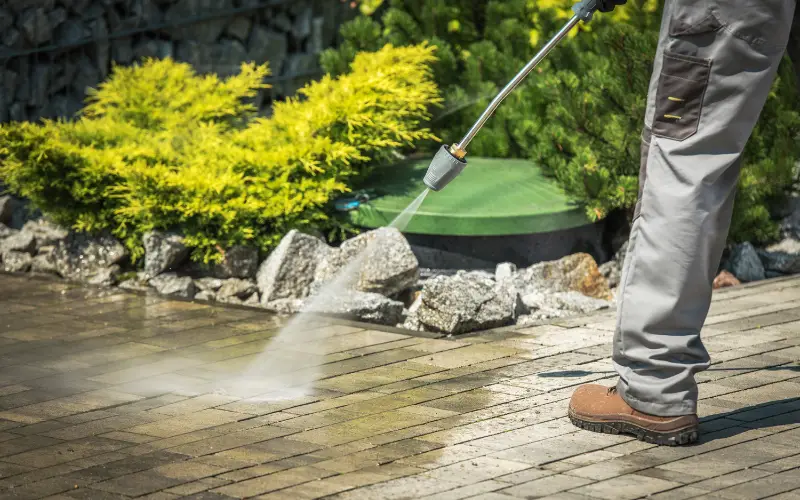
Pressure washers can be powerful tools, but they are not always the best option. Using alternatives can reduce the risk of damaging delicate surfaces and can be more water-efficient. Here are a few reasons to consider alternatives:
Water Conservation Benefits
Pressure washing uses a large amount of water, often unnecessarily. Manual methods, such as using a garden hose or scrubbing with brushes, use less water, helping conserve this vital resource.
Avoiding Surface Damage with Alternatives
High-pressure water can damage sensitive surfaces, like wood decking or certain types of siding. Alternatives like manual scrubbing or low-pressure tools help protect these surfaces while still getting them clean.
Manual Cleaning Methods
Using a Garden Hose with Attachments
A regular garden hose can be a simple but effective alternative to a pressure washer. With the right attachments, it can deliver enough power to clean many outdoor surfaces.
High-Pressure Nozzle for Targeted Cleaning
Attaching a high-pressure nozzle to your garden hose increases the water’s intensity without needing a pressure washer. This method is great for light cleaning jobs, such as washing cars, outdoor furniture, or patios.
Scrubbing with Brushes and Soapy Water
Manual scrubbing may take more effort, but it’s a reliable method to clean surfaces thoroughly without risking damage.
Choosing the Right Brushes for Different Surfaces
Hard-bristle brushes are ideal for tough surfaces like concrete, while soft-bristle brushes should be used on delicate materials like wood or painted surfaces.
How to Apply Cleaning Solutions Manually
Applying eco-friendly soap or a mixture of vinegar and water with a scrub brush can loosen grime effectively. After scrubbing, rinse the area with a hose to remove any remaining dirt and residue.
Low-Pressure Cleaning Tools
Surface Cleaner Attachments
Surface cleaner attachments for hoses are designed to clean flat surfaces, like driveways and patios, without the need for a pressure washer. These attachments spread the water evenly, preventing streaking or damage.
How Surface Cleaners Work with Garden Hoses
Surface cleaners attach directly to your garden hose and feature rotating nozzles that deliver water at a consistent pressure. They are effective for cleaning large, flat areas quickly.
Pump Sprayers for Spot Cleaning
Pump sprayers are another handy tool for cleaning surfaces without high pressure. These sprayers allow you to apply cleaning solutions directly to the surface before scrubbing.
How to Use Pump Sprayers for Cleaning Decks and Patios
After filling the pump sprayer with your chosen cleaning solution, spray it evenly across the surface. Let the solution sit for a few minutes, then scrub or rinse it off for effective spot cleaning.
Eco-Friendly and Chemical-Free Alternatives
Vinegar and Baking Soda Solutions
For those who want to avoid harsh chemicals, vinegar and baking soda offer a natural cleaning option. These household ingredients are effective at removing grime and mildew without damaging the environment.
Step-by-Step Guide to Eco-Friendly Cleaning
- Step 1: Mix equal parts water and white vinegar in a spray bottle.
- Step 2: Apply the solution to the surface and let it sit for 10-15 minutes.
- Step 3: Scrub the area with a brush and rinse with a garden hose.
Biodegradable Cleaners for Outdoor Use
Biodegradable cleaners are designed to break down safely in the environment and are ideal for cleaning outdoor surfaces like decks, patios, and driveways.
Best Brands and How to Use Them Effectively
Look for biodegradable brands such as Simple Green or Bio Clean, which are tough on dirt but gentle on the environment. Follow the instructions on the label for best results, usually involving applying the cleaner, scrubbing, and rinsing with water.
Comparing the Costs and Benefits of Pressure Washing Alternatives
Cost Comparison: Pressure Washer vs Manual Tools
Purchasing a pressure washer can be expensive, with prices ranging from $150 to $500 or more. In contrast, manual tools like high-pressure nozzles, scrub brushes, and surface cleaners are far less costly, often under $50.
Effectiveness of Alternatives
While manual methods may take longer, they are just as effective for many cleaning tasks. In some cases, alternatives are safer and more appropriate, especially for surfaces that can be damaged by the high pressure of a power washer.
Situations Where Alternatives Are Just as Effective
For regular maintenance, such as cleaning outdoor furniture, driveways, or siding, alternatives like scrubbing with soapy water or using a garden hose with a nozzle are just as effective as pressure washing.
Compare DIY vs Professional Services
Risks of DIY Pressure Washing
Common Mistakes with DIY Equipment
Using a pressure washer incorrectly can result in damaged surfaces or even personal injury. Incorrect pressure settings or improper handling are common mistakes made by DIYers.
When to Hire a Professional
In certain situations, hiring a professional cleaning service is the better option. If you’re dealing with large areas, severe grime buildup, or delicate surfaces, a professional can save you time and prevent damage.
Surface Protection and Time Efficiency
Professionals have the right equipment and expertise to select the safest and most effective cleaning methods for each surface. This not only ensures a deeper clean but also reduces the risk of damage that could cost more to repair later.
FAQ
Pressure washing with too much force or the wrong settings can cause damage to siding, windows, or paint. Professional services ensure safe and effective cleaning.
Most homes should be pressure washed once a year, but homes in humid or wooded areas may need it more often to prevent mold and mildew buildup.
The best detergent depends on your siding type. Professional services use specialized cleaners for different materials, ensuring a thorough and safe clean.
DIY pressure washing can be risky without the right knowledge and tools. Hiring a professional reduces the risk of damage and ensures proper cleaning techniques.
Costs vary depending on house size and location, but professional services typically offer free estimates and ensure long-lasting results.