What Is Soft Washing and Why Should I Use It?

Soft washing is a cleaning method that uses low-pressure water and specialized detergents to gently remove stains, algae, and dirt. Unlike traditional pressure washing, soft washing protects delicate surfaces, making it ideal for driveways.
Why Soft Washing Beats Other Methods
- Prevents surface damage caused by high-pressure systems.
- Uses eco-friendly detergents that are safe for your family and pets.
How Does Soft Washing Work?
Soft washing combines advanced cleaning agents with a low-pressure application.
The Step-by-Step Process
- Pre-treat the surface with a cleaning solution.
- Use a low-pressure water system to rinse away debris.
- Apply a post-treatment to prevent future growth.
This approach cleans deeply without harming your driveway.
Top Benefits of Soft Washing My Driveway
Soft washing offers a host of advantages:
1. Protects the Surface
High-pressure cleaning can cause cracks and wear. Soft washing maintains the integrity of your driveway.
2. Removes Tough Stains
From oil to algae, the detergents in soft washing tackle the toughest stains without damaging the material.
3. Eco-Friendly Solution
Biodegradable cleaning solutions make soft washing safe for the environment.
4. Enhances Curb Appeal
A clean driveway makes your home look polished and well-maintained.
Soft Washing vs. Pressure Washing
Soft washing is gentler, while pressure washing relies on force.
Why Soft Washing Wins for Driveways
- Avoids etching or cracking caused by high pressure.
- Effectively removes organic stains and prevents regrowth.
Common Issues Soft Washing Can Solve
Here are common driveway problems that soft washing addresses:
- Algae and Mold Growth: Eliminates harmful microorganisms.
- Stubborn Oil Stains: Dissolves and lifts tough stains.
- Surface Dulling: Restores the original color and brightness.
How Often Should I Soft Wash My Driveway?
Regular maintenance is key to preserving your driveway.
Signs You Need a Soft Wash
- Visible stains or discoloration.
- Algae or mold growth.
- Fading curb appeal.
Suggested Frequency
Schedule a soft wash once a year or after harsh weather conditions.
DIY Soft Washing vs. Professional Services
You might be tempted to tackle soft washing yourself, but professional services are often the better choice.
Risks of DIY Soft Washing
- Uneven cleaning due to lack of expertise.
- Potential damage from incorrect detergent use.
- Time-consuming and labor-intensive.
Why Professionals Are Worth It
- Professionals use high-quality equipment for a thorough clean.
- They know how to prevent damage and protect your driveway’s surface.
Testimonials
“I couldn’t believe the transformation—my driveway looks brand new! Soft washing is a game-changer.” — Sarah L., Orlando, FL
“Eco-friendly and effective, this service exceeded my expectations. Highly recommend it!” — Mike T., Austin, TX
“The professionals made the process so easy. My driveway has never looked better!” — Dana R., Atlanta, GA
Did You Know?
Did you know that soft washing can extend your driveway’s lifespan by up to 30%? Regular cleaning prevents cracks and erosion caused by dirt and organic buildup.
TL;DR Summary
- Soft washing uses low pressure and eco-friendly detergents to clean driveways safely.
- It removes stains, mold, and algae while preventing surface damage.
- Professionals ensure a deeper clean, saving you time and effort.



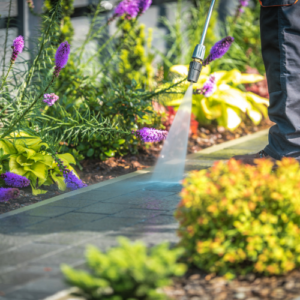 Soft washing is a cleaning method that uses low-pressure water and specialized detergents to gently remove stains, algae, and dirt. Unlike traditional pressure washing, soft washing protects delicate surfaces, making it ideal for driveways.
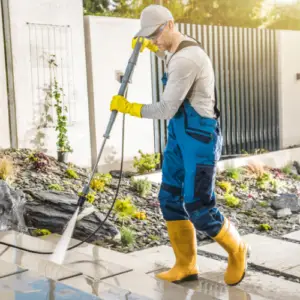 You might be tempted to tackle soft washing yourself, but professional services are often the better choice.