

What Is Soft Washing and How Does It Work?
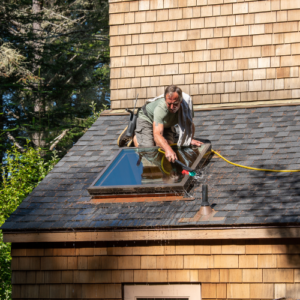 Soft washing is a cleaning method that uses low-pressure water combined with biodegradable cleaning solutions to remove dirt, algae, mold, and other debris from surfaces. Unlike traditional pressure washing, which relies on high-pressure water, soft washing is gentle enough to protect delicate surfaces like shingles, siding, and painted wood.
Key Differences Between Soft Washing and Pressure Washing
- Pressure Washing: High-pressure streams to remove grime, but it can damage surfaces.
- Soft Washing: Low-pressure water mixed with cleaning agents that do the heavy lifting.
Why Choose Soft Washing for My Property?
Soft washing isn’t just about cleaning—it’s about preserving. Unlike abrasive methods, it’s designed to protect your property while delivering exceptional results.
- Safety First: Gentle on roofs, siding, and painted surfaces.
- Eco-Friendly: Uses biodegradable cleaners that are safe for plants and pets.
- Lasting Results: Cleans at a deeper level, preventing regrowth of mold and algae.
The Soft Washing Process Explained
Curious about how soft washing works? Here’s a breakdown of the steps:
- Inspection: Assess the area for dirt, mold, or algae.
- Application: Apply a special cleaning solution to the surface.
- Dwell Time: Let the solution break down grime for several minutes.
- Rinse: Use low-pressure water to rinse away debris.
Types of Equipment and Solutions Used
- Low-pressure pumps
- Specialized cleaning solutions
- Adjustable nozzles for precision
Areas That Can Be Cleaned with Soft Washing
Soft washing is versatile and effective for a wide range of surfaces:
- Roofs: Removes black streaks and prevents moss growth.
- Driveways: Gets rid of oil stains and grime.
- Siding: Restores brightness and eliminates mold.
- Fences: Removes dirt without damaging paint or wood.
Preventing Exterior Damage with Soft Washing
One of the biggest advantages of soft washing is its ability to protect surfaces. High-pressure methods can cause paint to chip, shingles to loosen, or wood to splinter. Soft washing eliminates these risks by using gentle techniques tailored for delicate materials.
Avoiding Common DIY Mistakes
- Using the wrong cleaning solution.
- Applying too much pressure.
- Not rinsing thoroughly, leading to residue build-up.
Eco-Friendly Soft Washing Solutions
Soft washing isn’t just effective—it’s environmentally responsible. Biodegradable cleaners ensure that your plants, pets, and the planet stay safe during and after the process.
Benefits of Biodegradable Cleaners
- Safe for landscaping.
- No harmful runoff into water systems.
Comparing Soft Washing to Pressure Washing
When deciding between soft washing and pressure washing, it’s essential to consider the surface and the cleaning goals.
- Pressure Washing: Best for hard surfaces like concrete.
- Soft Washing: Ideal for roofs, siding, and other delicate materials.
Why Soft Washing Is the Safer Choice
Soft washing minimizes the risk of damage while achieving long-lasting cleanliness.
DIY vs. Hiring a Professional Soft Washing Service
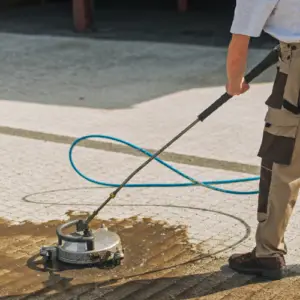 While DIY might seem cost-effective, it comes with risks like improper solution use or surface damage. Professional services ensure the job is done correctly and efficiently.
DIY Risks:
- Lack of proper equipment.
- Potential for surface damage.
Professional Benefits:
- Expertise and precision.
- Saves time and effort.
Testimonials
“I couldn’t believe the transformation! My roof looks brand new, and it only took a few hours!” — Maria L., Orlando, FL
“The team was so professional and careful with my siding. It’s never looked better!” — James T., Dallas, TX
“Soft washing saved my fence! I thought I’d need to replace it, but now it looks amazing.” — Sophie M., Atlanta, GA
Did You Know?
Did you know that soft washing can extend the life of your roof by up to 10 years? Regular maintenance prevents algae and mold from eating away at your shingles.
TL;DR Summary
- Soft washing uses low-pressure water and cleaning agents to remove grime safely.
- Ideal for delicate surfaces like roofs, siding, and fences.
- Eco-friendly and long-lasting results.
- Hiring professionals ensures the best outcome without risking damage.