
INTRO
 When it comes to keeping my home looking pristine, I’ve often wondered whether soft washing or pressure washing is the best method. With so many surfaces to clean—like my roof, siding, driveway, and patio—choosing the right approach feels overwhelming. I know I’m not alone in this dilemma, and that’s why I’ve created this guide to help you make the best decision for your home.
What is Soft Washing?
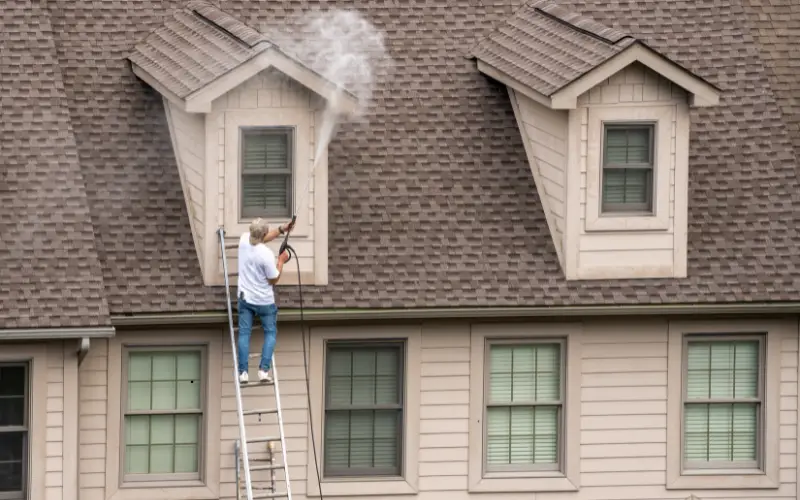
Soft washing is a gentle cleaning method that uses low-pressure water combined with specialized cleaning detergents. This technique effectively removes mold, mildew, algae, and other grime without damaging delicate surfaces.
How Does Soft Washing Work?
Soft washing relies on biodegradable cleaning agents and a controlled water stream to clean surfaces. This method is perfect for surfaces that can’t withstand the force of high-pressure water, like roofs, siding, and painted walls.
Benefits of Soft Washing
- Preserves Delicate Surfaces: The low-pressure approach ensures no damage to materials like vinyl siding or shingles.
- Eliminates Biological Growth: It kills mold, algae, and bacteria at their roots, keeping your surfaces clean for longer.
- Eco-Friendly Options: Many soft washing solutions are biodegradable and safe for plants and pets.
What is Pressure Washing?
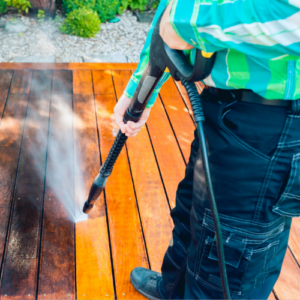
Pressure washing is a powerful cleaning method that uses high-pressure water jets to blast away dirt, grime, and tough stains. It’s ideal for cleaning hard, durable surfaces like driveways, patios, and brick walls.
How Does Pressure Washing Work?
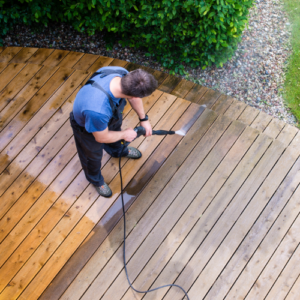 This method uses a high-powered pump to force water through a nozzle at intense speeds. The force can remove years of dirt, grease, and grime in seconds.
Benefits of Pressure Washing
- Fast and Effective: It’s the quickest way to tackle heavy dirt buildup.
- Perfect for Hard Surfaces: Designed for materials like concrete and stone, where durability isn’t a concern.
- Restores Curb Appeal: Instantly revives the appearance of driveways, walkways, and fences.
Soft Washing vs Pressure Washing: Key Differences
Soft washing and pressure washing differ significantly in their techniques and applications:
- Pressure: Soft washing uses low pressure, while pressure washing relies on high-pressure streams.
- Surfaces: Soft washing is for delicate surfaces like roofs, while pressure washing suits hard surfaces like concrete.
- Cleaning Agents: Soft washing incorporates detergents, whereas pressure washing primarily uses water pressure.
Risks and Limitations
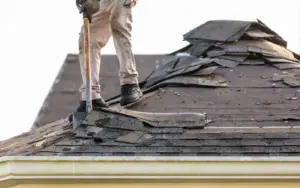
- Pressure Washing Risks: Misuse can cause surface damage, strip paint, or etch softer materials.
- Soft Washing Concerns: While safer, improper chemical use may harm plants or lawns.
Which Method Should I Choose for My Home?
When deciding between soft washing and pressure washing, consider the following:
- Material: Use soft washing for shingles, wood, and vinyl. Opt for pressure washing for concrete and stone.
- Condition: Soft washing is better for older, fragile surfaces.
- Dirt Level: Use pressure washing for heavy grime and stains.
For example, if my roof is covered in algae, I’d use soft washing to avoid damaging the shingles. But if my driveway is oil-stained, pressure washing is the way to go.
DIY vs. Professional Services
While DIY cleaning may seem appealing, improper use of either method can cause costly damage. Professionals:
- Use the right techniques to protect your surfaces.
- Save you time and effort with specialized equipment.
- Offer peace of mind with expertise in both methods.
Testimonials
- “Soft washing made my siding look brand new! No damage and all the green mold is gone.” — Lisa T., Orlando, FL
- “Pressure washing worked wonders on my stained driveway. It looks amazing now!” — John D., Dallas, TX
- “My roof looks fantastic after a soft wash. I’m glad I hired pros for the job!” — Sarah P., Seattle, WA
Did You Know?
Did you know that using the wrong cleaning method can void your roof warranty and lead to costly repairs?
TL;DR Summary
- Soft washing is ideal for roofs and siding, while pressure washing is best for driveways and patios.
- Each method has its risks, so choose based on the material and condition of the surface.
- Professional services ensure safe, effective cleaning without damage.