
INTRO
 Have you ever wondered whether to power wash or pressure wash your outdoor surfaces? You’re not alone! Many people confuse these two cleaning methods, but they serve different purposes. In this guide, I’ll walk you through the key differences, benefits, and applications of both power washing and pressure washing, so you can make the best choice for your cleaning needs.
What Is Power Washing?
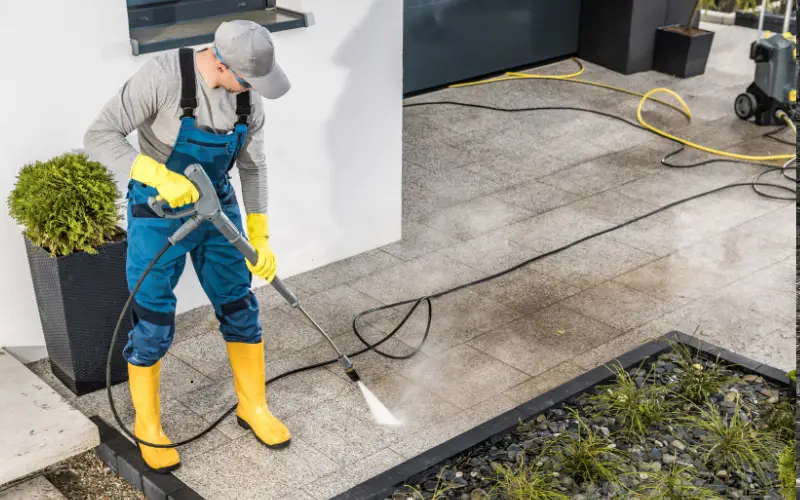
Power washing uses highly pressurized water combined with heat to remove dirt, grime, and stubborn stains. The heated water makes it incredibly effective for breaking down grease, mold, and other tough residues that cold water can’t easily tackle.
Equipment Used in Power Washing
Power washers are equipped with a heating element to warm the water and create steam. This combination is perfect for surfaces like:
- Driveways with oil stains
- Mold-covered brick walls
- Outdoor furniture needing a deep clean
Using the correct pressure settings and attachments is critical to prevent damage to delicate materials.
What Is Pressure Washing?
Pressure washing relies on the power of pressurized water alone—no heat involved. While it may not be as effective on grease or heavy buildup, it’s excellent for cleaning surfaces that could be damaged by heat.
Equipment Used in Pressure Washing
Pressure washers use cold water and various nozzles to adjust the water pressure. This method works best for:
- Cleaning fences
- Washing decks
- Removing dirt from vinyl siding
It’s a versatile option that’s gentler on sensitive surfaces but still powerful enough for general cleaning tasks.
Power Washing vs Pressure Washing: Key Differences
Heat
Power washing uses hot water, making it more effective for dissolving grease and killing bacteria. Pressure washing uses cold water, which is gentler on delicate surfaces.
Pressure Levels
Both methods use high pressure, but power washing typically offers a stronger force due to its heated water.
Applications
- Power Washing: Best for stubborn grime and hard surfaces like concrete.
- Pressure Washing: Ideal for lighter cleaning on wood, vinyl, or painted surfaces.
Pros and Cons of Power Washing
Pros:
- Easily removes tough stains and grease.
- Effective for sanitizing surfaces.
Cons:
- More expensive due to heating elements.
- Can damage sensitive materials.
Which Method Should I Choose?
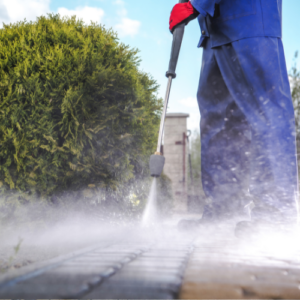 The choice between power washing and pressure washing depends on factors like:
- Surface Type: Hard surfaces like concrete benefit from power washing, while wood and vinyl require pressure washing.
- Stain Severity: Grease and mold need power washing, while dirt and dust can be handled with pressure washing.
- Budget: Pressure washing is usually more affordable for most projects.
Risks of DIY Washing
DIY power or pressure washing might seem simple, but it can lead to costly mistakes. Without proper knowledge, you could:
- Use too much pressure and damage surfaces.
- Fail to remove tough stains effectively.
- Risk injury from handling high-pressure equipment.
Benefits of Hiring Professionals
Hiring professionals ensures the job is done safely and efficiently. They bring:
- Expertise in choosing the right cleaning method for each surface.
- Access to commercial-grade equipment for superior results.
Testimonials
- “Power washing transformed my driveway! Amazing results in no time.” — Sarah L., Austin, TX
- “I was hesitant about pressure washing, but it worked perfectly for my deck!” — Mark R., Orlando, FL
- “Hiring professionals was the best choice for cleaning my siding!” — Jenny T., Chicago, IL
Did You Know?
Did you know that using the wrong pressure or heat level can permanently damage surfaces like wood or vinyl siding? Avoid costly repairs by selecting the right method for your project.
TL;DR Summary
- Power washing uses hot water, making it ideal for tough grime and stains.
- Pressure washing relies on cold water, making it better for delicate surfaces.
- Choose the right method based on surface type, stain severity, and budget.
If you’re unsure which method to use, consider hiring a professional for guaranteed results.