
Why Should I Remove Roof Moss?
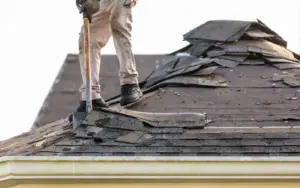
 Moss might seem harmless, but it can cause significant damage to your roof if left untreated. Its roots can lift shingles, allowing water to seep in and cause leaks. Over time, moss buildup can compromise the structural integrity of your roof. Removing moss not only extends the life of your roof but also improves your home’s curb appeal.
What Tools Do I Need to Remove Roof Moss?
Before you start, make sure you have the right tools for the job.
Tools and Materials Checklist
- A pressure washer with adjustable settings.
- Moss-killing solution (store-bought or homemade).
- Safety gear (goggles, gloves, and non-slip shoes).
- Ladder stabilizer for safety.
Having these on hand ensures the job is done efficiently and safely.
How Do I Prepare My Roof for Pressure Washing?
Preparation is key when dealing with roof cleaning.
- Inspect for Damage: Check for loose shingles, cracks, or leaks. Fix these before pressure washing to avoid worsening the problem.
- Clear Debris: Remove leaves, branches, and other debris from your roof. This allows the cleaning solution to penetrate the moss effectively.
Can I Use a Pressure Washer Safely on My Roof?
Yes, but only with proper precautions.
Tips for Safe Pressure Washing
- Use a low-pressure setting to avoid dislodging shingles or granules.
- Spray at an angle rather than directly down to prevent water from seeping under the shingles.
- Work slowly and methodically to avoid missing spots.
Step-by-Step Guide to Remove Roof Moss
 1. Apply Moss-Killing Solution
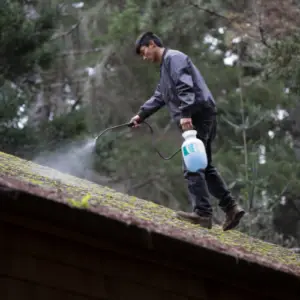 1. Apply Moss-Killing Solution
Start by applying a moss-killing solution over the affected areas. Follow the product instructions for best results.
2. Let the Solution Sit
Allow the solution to sit for 15–30 minutes. This gives it time to break down the moss, making it easier to wash away.
3. Pressure Wash the Moss
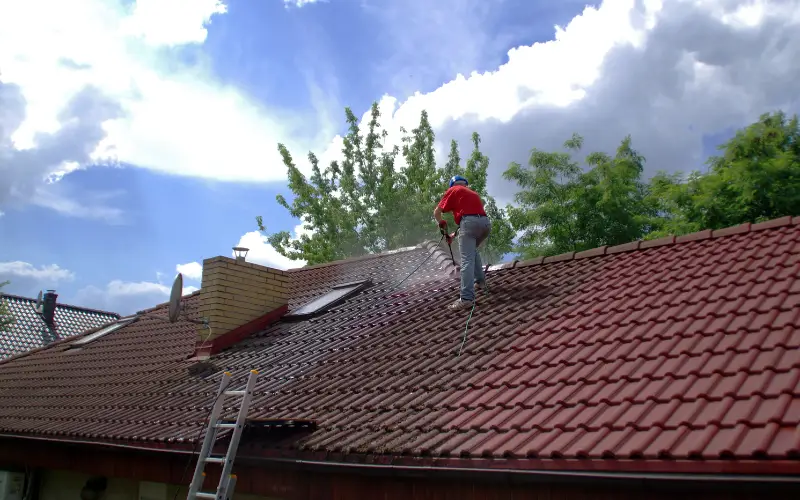
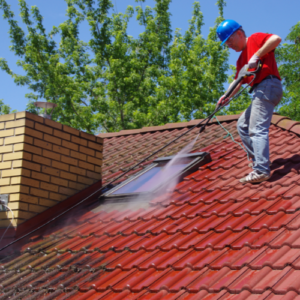
Using a low-pressure setting, start washing the moss off your roof. Begin at the top and work your way down to prevent water from pooling.
4. Rinse and Inspect
Thoroughly rinse your roof to ensure all moss and cleaning solution are removed. Inspect for any missed spots and repeat the process if necessary.
What Should I Do After Cleaning My Roof?
Cleaning doesn’t stop once the moss is gone.
Post-Cleaning Care
- Inspect your roof for any new signs of damage.
- Apply a protective sealant to help prevent future moss growth.
How Can I Prevent Moss from Growing Back?
Prevention is easier than removal, so take these steps to keep moss at bay:
- Trim Overhanging Branches: Reduce shade to discourage moss growth.
- Install Zinc or Copper Strips: These materials release moss-inhibiting ions when it rains.
- Regular Maintenance: Clean your roof annually to prevent buildup.
DIY Roof Cleaning vs. Hiring Professionals
While DIY cleaning can save money, hiring professionals has its benefits.
- DIY Risks: Without proper equipment or knowledge, you could damage your roof or injure yourself.
- Professional Advantages: Professionals bring expertise, high-grade equipment, and safety measures to the job.
Testimonials
- “I was nervous about using a pressure washer on my roof, but this guide made it easy and stress-free!” — Emily R., Portland, OR
- “Hiring professionals was the best decision I made. My roof looks brand new!” — Mark T., Denver, CO
- “I followed these steps, and my roof is now moss-free. Thank you for the tips!” — Sarah L., Austin, TX
Did You Know?
Did you know that moss can shorten your roof’s lifespan by up to 10 years if left untreated?
TL;DR Summary
- Moss damages roofs and reduces their lifespan.
- Use a low-pressure washer and moss-killing solution for safe cleaning.
- Prevent regrowth with regular maintenance and zinc or copper strips.
- DIY works, but professional services ensure quality and safety.