
INTRO
 Welcome! If you’re looking for ways to clean your roof without damaging your shingles, you’re in the right place. Over the years, I’ve seen how improper pressure washing can lead to costly repairs, and I want to help you avoid those mistakes. Let’s dive into the best practices for protecting your roof shingles while keeping them spotless.
Why Should I Protect My Roof Shingles?
Your roof is more than just an aesthetic feature—it’s your home’s first line of defense against the elements. Pressure washing might seem like a quick way to clean it, but it can cause significant damage if not done correctly. Taking steps to protect your shingles ensures your roof stays functional and beautiful.
Risks of Improper Pressure Washing
- Shingle granules can wear away, weakening their effectiveness.
- High pressure can cause cracks or lift shingles, leading to leaks.
- Moisture can seep into underlying materials, causing mold or rot.
Can Pressure Washing Damage My Roof Shingles?
Yes, it can! Roof shingles are designed to withstand the weather, not direct blasts of high-pressure water. Using the wrong pressure setting or technique can lead to damage that compromises your roof’s structure.
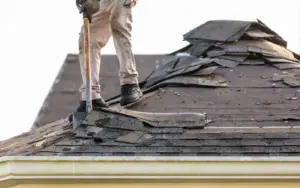
Signs of Damage
- Granule Loss: A sandy residue in your gutters or downspouts.
- Cracked Shingles: Visible splits or broken edges.
- Lifting Shingles: Shingles that no longer lay flat.
How Do I Prepare My Roof for Pressure Washing?
Preparation is key to ensuring a safe and effective cleaning process.
Steps to Prepare Your Roof
- Inspect for Damage: Check for loose or broken shingles.
- Remove Debris: Clear leaves, branches, and other debris.
- Protect Gutters: Ensure they’re free of clogs to handle runoff.
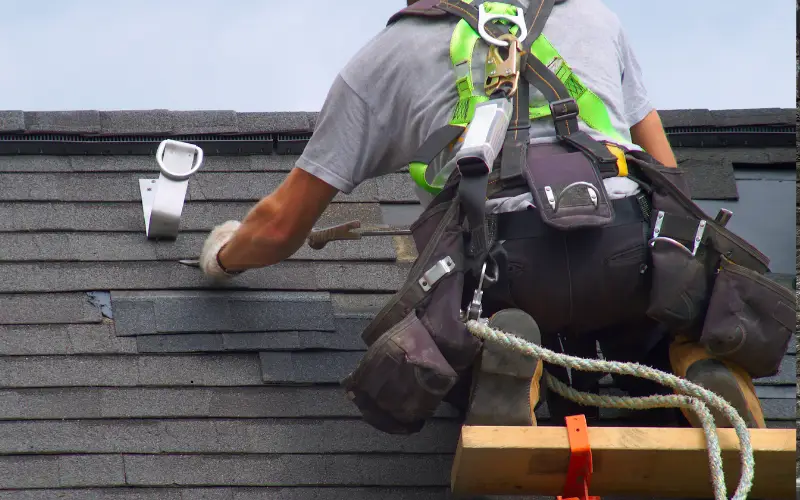
- Safety First: Use a sturdy ladder and protective gear.
What’s the Best Way to Pressure Wash a Roof?
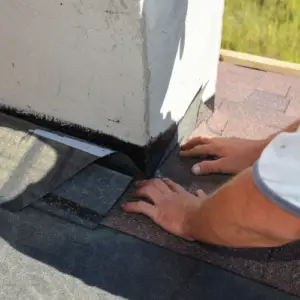 The goal is to clean your roof gently without stripping away its protective layer.
Low-Pressure Techniques
- Use a pressure washer with adjustable settings.
- Stick to a low-pressure mode (around 100 psi).
- Always spray downward, following the slope of the roof.
Recommended Cleaning Solutions
- Mix water with a mild, shingle-safe detergent.
- Avoid harsh chemicals like bleach that can damage shingles.
Step-by-Step Guide
- Start at the highest point of your roof.
- Spray downward in small sections.
- Rinse thoroughly to remove residue.
Avoiding Common Roof Washing Mistakes
Even well-intentioned DIYers can make errors that lead to damage.
What to Avoid
- Too Much Pressure: This can erode shingles or force water under them.
- Incorrect Angles: Spraying upward can lift shingles.
- Washing in Bad Weather: Rain or wind can complicate the process.
Do I Need Special Tools to Wash Roof Shingles?
Yes, investing in the right tools can make a big difference.
Essential Tools
- A pressure washer with a low-pressure nozzle.
- Safety harness and non-slip shoes for roof stability.
- A soft-bristle brush for stubborn spots.
Alternatives to Pressure Washing
- Soft Washing: Uses low pressure and a cleaning solution.
- Professional Cleaning Services: Experts with specialized tools.
Can DIY Roof Cleaning Save Money?
While it might seem cost-effective, DIY roof cleaning can lead to unexpected expenses.
Costs vs. Risks
- Potential damage to shingles or underlying structures.
- Additional repairs from mistakes or overlooked issues.
Why Should I Hire a Professional Roof Cleaner?
Professionals offer expertise that ensures your roof is cleaned safely and thoroughly.
Benefits of Professional Services
- Use of specialized, shingle-safe equipment.
- Knowledge of techniques tailored to different roof types.
- Saves you time and effort.
DIY vs. Professional Roof Washing
While DIY cleaning can work for some, professional services provide peace of mind and superior results.
Risks of DIY
- Lack of experience can lead to mistakes.
- Missed signs of underlying damage.
Why Choose a Professional?
- Long-term protection for your roof.
- Avoidance of voiding warranties due to improper cleaning.
Testimonials
“I was hesitant to hire professionals, but it was worth every penny! My roof looks brand new.” — Emma R., Orlando, FL
“The team was so careful with my shingles. I can’t believe the difference it made.” — Mark T., Austin, TX
“I tried cleaning my roof myself last year and caused some damage. Never again—professional services are the way to go!” — Sarah P., Denver, CO
Did You Know?
Did you know that improper pressure washing can reduce the lifespan of your roof by up to 10 years? Taking the right precautions now can save you from costly replacements later.
TL;DR Summary
- Always use low-pressure techniques to clean roof shingles.
- Prepare your roof by inspecting for damage and removing debris.
- Avoid common mistakes like using too much pressure or washing in poor weather.
- Professional services offer safe and effective cleaning, preventing long-term damage.