
INTRO
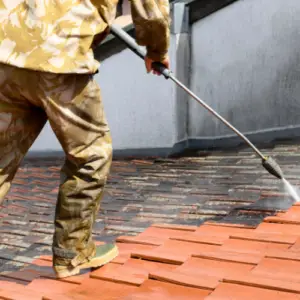 Keeping my roof clean is about more than just curb appeal—it’s essential for preserving its longevity and functionality. But how do I know the right PSI for roof cleaning? Using the wrong pressure can cause costly damage, while too little might leave stains and algae untouched. Let’s explore everything I need to know to safely and effectively clean my roof.
Why Does PSI Matter for Roof Cleaning?
The pressure per square inch (PSI) of my pressure washer directly affects the cleaning results and the condition of my roof. Too much pressure can destroy shingles or tiles, while insufficient PSI may fail to remove debris and algae.
What Happens with Too Much Pressure?
Using an excessively high PSI might:
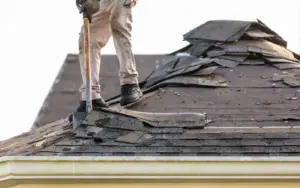
- Crack or loosen shingles: This can lead to leaks and costly repairs.
- Force water under the roof: Causing mold, rot, or other structural issues.
The Dangers of Using Too Little Pressure
When I clean with too low a PSI, I risk:
- Ineffective cleaning: Dirt and moss may stay behind, continuing to harm my roof.
- Wasted effort: The roof may still require professional intervention.
Soft Washing vs. Pressure Washing: Which is Better?
Soft washing uses detergents and low pressure to safely clean my roof without risking damage. It’s ideal for asphalt shingles, which are prone to erosion from high-pressure systems. Pressure washing, on the other hand, may be used cautiously on sturdier surfaces like metal or concrete tile roofs.
When to Choose Each Method
- Soft washing: Best for shingle or delicate roofs.
- Pressure washing: Use only on durable, hard surfaces.
Recommended PSI Settings for Different Roof Types
Here’s what I need to know about setting my pressure washer correctly:
Asphalt Shingles
- Recommended PSI: 100-200.
- Pro Tip: Use soft washing techniques to prevent granule loss.
Tile Roofs
- Recommended PSI: 200-300.
- Use gentle pressure to avoid cracking or dislodging tiles.
Metal Roofs
- Recommended PSI: 300-400, depending on the paint or finish quality.
- Adjust angles to prevent streaks.
Tools Needed for Safe Roof Cleaning
 To safely clean my roof, I’ll need:
- Adjustable pressure washer: Allows me to fine-tune PSI settings.
- Soft washing nozzle: For applying cleaning solutions evenly.
- Roof cleaning detergent: Biodegradable options are best to avoid harming plants.
Safety Essentials
- Non-slip shoes.
- A sturdy ladder with a stabilizer.
- Protective gloves and eyewear.
Professional vs. DIY Roof Cleaning
Cleaning my roof myself can save money, but there are significant risks:
Challenges of DIY Roof Cleaning
- Limited access to specialized equipment.
- High risk of personal injury or roof damage.
Benefits of Hiring Professionals
- They use proper techniques to preserve the integrity of my roof.
- Work is often backed by warranties or guarantees.
How to Check if My Roof is Ready for Cleaning
Before I start, it’s important to:
- Inspect for damage: Fix cracks, loose shingles, or broken tiles beforehand.
- Plan around the weather: Avoid cleaning during rain or high winds.
Common Roof Stains and How to Remove Them
Here are common issues I may encounter:
Algae and Moss
- Solution: Apply a biodegradable detergent and use low-pressure rinsing.
Stubborn Stains
- Solution: Use a soft brush along with a cleaning agent for persistent dirt.
Tips to Prevent Roof Damage During Cleaning
When cleaning, I can avoid damage by:
- Keeping the spray nozzle at a 45-degree angle.
- Focusing on one small section at a time.
- Avoiding pressure near vents, seals, or flashing.
How Often Should I Clean My Roof?
Regular cleaning helps prolong my roof’s lifespan. A good rule of thumb is:
- Annually: For homes in areas with mild climates.
- Twice a year: In regions with high humidity, trees, or heavy rain.
Testimonials
“I couldn’t believe how much brighter my roof looked after soft washing! It’s like a new house.” — Sarah J., Orlando, FL
“The team used the perfect PSI to clean my shingles without causing any damage. Highly recommend them!” — Mike T., Austin, TX
“I saved so much time hiring professionals—they left my roof spotless and algae-free.” — Emily R., Seattle, WA
Did You Know?
Using soft washing to clean my roof can increase its lifespan by up to 50%, while also enhancing energy efficiency by reflecting more sunlight.
TL;DR Summary
- The correct PSI depends on my roof type: 100-300 PSI for most surfaces.
- Soft washing is safer for delicate roofs, while pressure washing works for sturdier materials.
- Regular cleaning prevents algae, moss, and dirt buildup.
- Hiring professionals ensures safe, effective cleaning with lasting results.