
INTRO
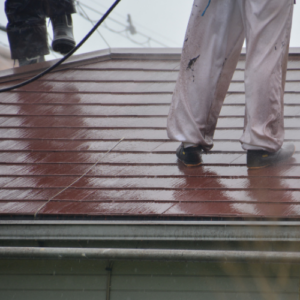 Keeping my roof clean is essential for maintaining its appearance and longevity. But figuring out the right roof soft washing pressure can be tricky. Use too much pressure, and I could damage my roof. Use too little, and stubborn stains won’t budge. This guide will help me find the perfect balance for effective and safe roof cleaning.
Why Is Roof Soft Washing Necessary?
A dirty roof isn’t just an eyesore—it can lead to serious problems. Algae, moss, and debris not only make my roof look old but can also reduce its lifespan.
- Algae like Gloeocapsa Magma can weaken shingles over time.
- Moss holds moisture, leading to potential leaks.
- Debris buildup traps water, inviting rot and pests.
Regular soft washing keeps my roof clean, prolonging its life and improving curb appeal.
Understanding Roof Soft Washing
Soft washing is different from standard pressure washing. It uses a low-pressure stream combined with a cleaning solution to remove dirt, algae, and other contaminants safely.
- Low pressure: Typically under 500 PSI.
- Cleaning solution: Often includes biodegradable detergents.
The combination ensures a thorough clean without risking damage to my roof materials.
What Happens When Pressure Is Too High?
Using too much pressure can spell disaster for my roof.
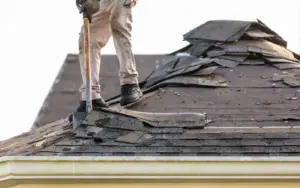
- Cracked or stripped shingles: Excessive PSI can tear through protective granules.
- Water infiltration: High-pressure streams may force water under shingles, causing leaks.
- Shortened roof lifespan: Repeated damage accelerates wear and tear.
If I notice granules in my gutters or unevenly clean patches, it’s a sign the pressure might be too high.
The Ideal Pressure for Roof Soft Washing
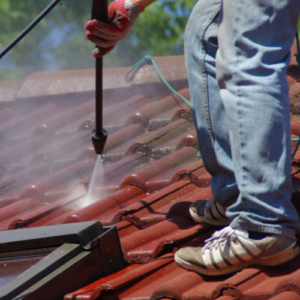 The perfect pressure depends on my roof material.
- Asphalt shingles: 100-200 PSI is typically safe.
- Clay or concrete tiles: Slightly higher pressure, around 200-300 PSI, can be used.
- Metal roofs: Pressure can range from 150-300 PSI.
These settings ensure contaminants are removed without compromising the roof’s integrity.
How to Measure and Adjust PSI
If I’m unsure about the pressure, here’s what I can do:
- Use a pressure gauge: Attach it to my pressure washer’s nozzle.
- Test on a small area: Start with the lowest PSI and increase gradually.
- Observe results: Check for effective cleaning without damage.
Adjusting pressure is as simple as turning the dial on my washer or swapping out nozzles for a gentler spray pattern.
Choosing the Right Soft Wash Mix
The cleaning solution is just as important as the pressure.
- Active ingredients: Sodium hypochlorite and surfactants are commonly used.
- Proportions: A typical mix might include 1 part cleaning solution to 4 parts water.
- Eco-friendly options: Look for biodegradable detergents to minimize environmental impact.
Always rinse thoroughly to avoid residue buildup on my roof.
Safety Tips for Roof Soft Washing
Soft washing can be risky if I’m not careful.
- Wear PPE: Gloves, goggles, and non-slip shoes are essential.
- Secure footing: Use a sturdy ladder and avoid stepping on wet areas.
- Work with a partner: Having someone to assist can prevent accidents.
Taking these precautions ensures my cleaning process is as safe as it is effective.
DIY vs. Professional Soft Washing Services
While I might be tempted to DIY, hiring a professional often has its advantages:
- Expertise: Pros know the right pressure and cleaning solutions for every roof type.
- Efficiency: They complete the job faster and more thoroughly.
- Insurance: Professionals are insured against accidents and damages.
For small jobs, I might tackle it myself. But for heavily soiled or large roofs, it’s wise to leave it to the experts.
Testimonials
- “I was hesitant about soft washing, but the results speak for themselves! My roof looks brand new without a single shingle damaged.” — Sarah T., Miami, FL
- “The team was professional and careful, and they explained everything about the pressure settings and cleaning solutions. Highly recommend!” — Kevin J., Austin, TX
- “I tried DIY soft washing once, but I’ll stick to hiring professionals after seeing these results.” — Melissa R., Portland, OR
Did You Know?
Did you know improper roof cleaning can void your roof warranty? Many manufacturers require regular soft washing to maintain the warranty’s validity.
TL;DR Summary
- Roof soft washing uses low pressure and cleaning solutions to remove dirt safely.
- Ideal PSI ranges depend on roof material: 100-300 PSI is generally safe.
- High pressure can damage shingles and lead to costly repairs.
- Use a mix of water and biodegradable detergents for the best results.
- Hiring professionals ensures safety, efficiency, and top-notch results.